

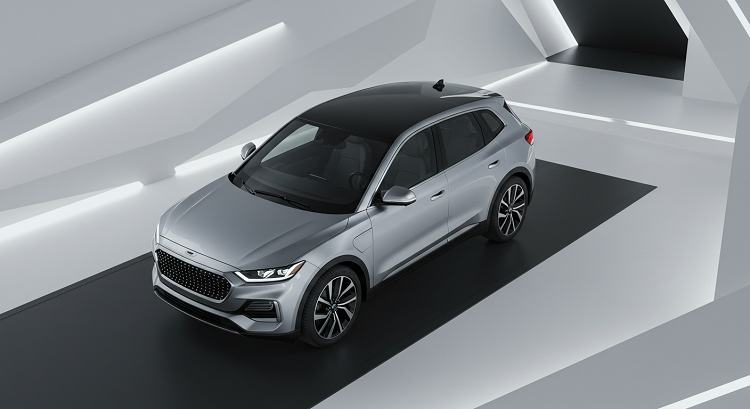
The rapid growth of electric vehicles (EVs) has reshaped how people think about personal transportation. With more drivers making the switch to battery-powered cars, the question of home charging has become central. While public charging stations are expanding, the convenience of plugging in at home remains unmatched. Setting up a reliable home EV charging system ensures that your car is ready each morning without worrying about finding a charger on the go.
This guide breaks down everything you need to know about installing a home EV charging station—from costs and installation steps to practical considerations that can help you make an informed decision.
Table of Contents
Why Consider a Home EV Charger?
Owning an electric vehicle means dealing with range, charging speed, and accessibility. While plugging into a regular household outlet (often referred to as Level 1 charging) is technically possible, it can take many hours or even days to fully charge an EV, depending on its battery size. For most owners, this isn’t practical for daily driving needs.
This is where a dedicated home charging setup becomes essential. A properly installed charger—commonly a Level 2 system—can reduce charging time dramatically, often replenishing a vehicle overnight. Not only does this save time, but it also provides peace of mind knowing your EV will be ready when you need it.
For those researching EV charging setups, resources like EV Blogs often provide simple breakdowns of hardware, installation tips, and charging practices, making it easier for first-time EV owners to understand their options.
Understanding EV Charging Levels
Before jumping into installation, it’s important to understand the different charging levels:
Level 1 (120V AC)
- Uses a standard household outlet.
- Adds around 3–5 miles of range per hour.
- Suitable only for light daily driving or plug-in hybrids with small batteries.
Level 2 (240V AC)
- Requires a dedicated circuit and specialized equipment.
- Adds 20–40 miles of range per hour depending on the charger and vehicle.
- Most common and practical for home use.
Level 3 (DC Fast Charging)
- Primarily found in public stations due to high cost and power requirements.
- Can charge 80% of a battery in less than an hour.
- Not realistic for home setups due to infrastructure and expense.
For most households, Level 2 is the sweet spot, balancing cost and convenience. Homeowners looking to install a Level 2 charger often consult a qualified Tulsa electrician (or an electrician from elsewhere) to ensure proper setup, safety, and compliance with local electrical codes.
Factors That Influence Setup Costs
The cost of installing a home EV charging station varies widely, depending on several factors:
1. Charger Unit Price
- Level 2 chargers typically cost between $400 and $1,200, depending on brand, features, and charging capacity.
- Smart chargers with Wi-Fi connectivity, scheduling, and app integration are more expensive but can help optimize charging times and monitor energy use.
2. Electrical Upgrades
- Some homes may need electrical panel upgrades to handle the extra load.
- Costs can range from $500 to $2,000+, depending on whether you need a new breaker panel or rewiring.
3. Labor and Installation Fees
- Hiring a licensed electrician is necessary for safe installation.
- Labor costs usually fall between $500 and $1,500, depending on complexity and local labor rates.
4. Permits and Inspections
- Many regions require permits for electrical work, adding $100–$500 to total costs.
- Inspections ensure compliance with safety codes.
5. Distance from Electrical Panel to Charger Location
- The farther your charger is from your electrical panel, the more wiring is needed.
- Long runs of conduit or trenching can add significantly to the bill.
Step-by-Step Installation Guide
Here’s a general process of how a home EV charging system is typically set up:
Step 1: Assess Your Electrical Capacity
- Check whether your current electrical panel can support an additional 240V circuit.
- If not, plan for an upgrade before installing the charger.
Step 2: Choose the Right Charger
- Decide between a plug-in charger (portable, connects to a 240V outlet) or a hardwired charger (permanent installation).
- Consider amperage ratings—higher amps provide faster charging but may require panel upgrades.
Step 3: Get Necessary Permits
- Contact local building authorities to understand the permitting requirements.
- Some areas streamline permits for EV chargers, while others require detailed inspection.
Step 4: Hire a Licensed Electrician
- A professional ensures the wiring is safe, compliant, and capable of handling high loads.
- DIY installation is discouraged due to safety risks.
Step 5: Install and Test the Charger
- Once installed, the electrician will test voltage, grounding, and connectivity.
- After passing inspection, your charger is ready for use.
Ongoing Costs and Considerations
1. Electricity Costs
Charging at home increases your monthly electric bill, but often at a lower rate compared to gasoline. Off-peak charging schedules can help reduce costs further.
2. Smart Charging Features
Modern chargers allow scheduling, remote monitoring, and energy tracking. This can help optimize charging during low-rate hours.
3. Maintenance
EV chargers require minimal maintenance, mostly ensuring that the plug, cord, and connections remain clean and undamaged.
4. Future-Proofing
As EV batteries get larger, charging needs may increase. Installing a slightly higher-capacity charger now can save upgrade costs later.
Alternatives to Home Charging
While home charging is the most convenient, some alternatives exist:
- Workplace Charging: Some employers provide charging stations for employees.
- Public Charging Networks: Useful for road trips or apartment dwellers without private parking.
- Community Chargers: Shared residential chargers in condos or gated communities.
Still, nothing beats the comfort of waking up to a fully charged car in your own garage. FullFormGuide can help clarify automotive and technical terms, making it easier for readers to understand the benefits of electric vehicles and home charging setups.
Key Takeaways
- Installing a Level 2 home charging setup is the most practical option for most EV owners.
- Costs can range between $1,000 and $3,000 depending on charger type, electrical upgrades, and installation complexity.
- Hiring a licensed electrician and securing permits ensures safety and compliance.
- Smart chargers and off-peak charging schedules can lower electricity expenses.
- Preparing for future EV models with higher capacity now can prevent costly upgrades later.
Conclusion
Transitioning to an electric vehicle involves more than just the car itself—it’s about creating an ecosystem that supports your lifestyle. A home EV charging setup is central to that ecosystem, making your EV ownership smoother, more cost-effective, and more reliable. While initial setup costs might seem significant, the convenience and long-term savings usually justify the investment.
If you’re planning your EV journey, exploring different guides and resources will help you make the right choice for your home setup. After all, the right charger doesn’t just power your car—it powers your transition to a cleaner and smarter way of driving.